Manual Therapy
Stretching:
-
Improve range of motion

Jenn and Casey Winter 2011 |
|
|
|
|
|
Therapeutic exercises:
-
Cryotherapy
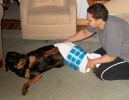
Desi icing knee lat |
|
|
-
Moist Heat Therapy
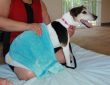
Maverick May 2010 |
|
|
|
Hydrotherapy:
Pre & Post Op Rehabilitation
-
ACL repairs

Zack |
|
|
-
Total Hip Replacements
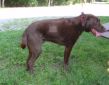
Murphy |
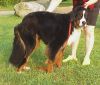
Briar |
-
Post Disc surgeries

Ruby |
|
|
|
Geriatric Programs:
|
|
Osteoarthritis:
|
|
Obesity, Weight Loss & Weight Management:
|
|
Neurological Conditions:
|
|
Dry Treadmill:
|
Swimming for fun & fitness Programs!
-
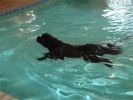
We are talking about general wellness swimming for our favorite four legged friends who like to lie at our feet at the end of our busy days. All those companion dogs that greet us at the door and love us unconditionally. No matter what breed, size, color, hair coat or age, your dog can and should swim. Swimming is convenient for owners who are physically unable to walk themselves or have time constraints. Who doesn’t have time constraints? Swimming is the safe alternative to dog parks.
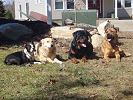
Have you ever felt tired and drained with sore muscles? Imagine your dog feeling the same way. Many dogs are under conditioned or overweight. This has become a huge problem for dog owners and their veterinarians. Exercise & conditioning is the process of getting dogs in shape so when they are asked to do something that takes great physical effort they are less likely to get hurt. As in humans, athletes are less prone to injury than “weekend warriors”. Swimming provides a non weight bearing form of exercise increasing your dogs’ heart rate, improving blood flow and lung capacity without the damage a hard run on land would do. Regular exercise will increase your dogs’ overall metabolic rate. When you meet a dog’s exercise needs they rest more calmly at home and will be less restless and fretful when left alone. A tired dog is a good dog.
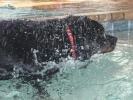
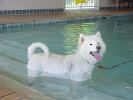
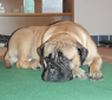
Dogs left at home with no exercise for days at a time when the owners are at work are prone to be overweight with lack of muscle tone. This results in the likelihood that these dogs will become obese and develop
osteoarthritis. Swimming has proven beneficial to arthritic dogs. Our wellness programs focus on young puppies looking to burn energy, overall fitness for the middle aged dogs and older overweight pets. Other benefits to swimming include loosening tight muscles, decrease swelling, relaxation and confidence building. Weightless exercise thru swimming strengthens and tones muscles without impact allowing limbs to move freely with full range of motion. Swimming prevents muscle disuse and atrophy. The warm water assists in pain reduction allowing older animals to exercise effectively.
Swimming is perfect for that new puppy you have. Redirect the energy he or she uses to chew the furniture and let them exhaust themselves in the pool. The effects last for days and will make the relationship you are developing with your new friend a happier one.

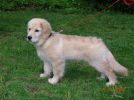
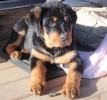
The first time you and your dog visit you are required to complete the intake and liability forms. After that we may ask you to participate in the orientation process where we will show you and your dog the “rules” and the “ropes” of the pool. This training session may last up to an hour. Please allow adequate time in your schedule. We also recommend dressing accordingly with clothes you don’t mind getting wet. We will supply the towels and blow dryer. The pool water is purified using a mineral system so there is no chlorine odor in the building. It leaves your dogs coat and skin irritation free. The water temperature is 86 degrees. Our walk in “You wash, dog wash” shower is available for those who like to keep their bathrooms clean at home.
We are equipped to handle dogs of all sizes and most temperaments. Aggressive dogs are handled carefully with owner participation. Once the dog becomes used to the pool and the setting, aggression is minimized. All proper measures will be taken to keep the staff, clientele and all dogs safe. Each swim session after the orientation is 30 minutes.
With our indoor facility dogs can swim and exercise year round. Dogs learn how to swim laps, retrieve toys and if needed will wear flotation devises. Programs will be monitored for the dogs exercise tolerance. Do not feed your dog for several hours before or after swimming. We require proof of vaccinations from your veterinarian.
|
|
Mobility Braces:
|
|
Carts and mobility aides:
|
Ultrasound and Electrical Stimulation:
-
Ultrasound therapy will increase circulation in damaged muscles, tendons and ligaments. Ultrasound combined with stretching will elongate and reduce restriction caused by scar tissue.
-
Electrotherapy is used to help with muscle relaxation of muscle spasms, prevention of disuse atrophy, increase blood circulation, muscle re-education.
|
Low Level Laser Therapy: (LLLT)
-
A non invasive low level energy that is used to decrease inflammation, provide pain relief, and increase healing time by half. Laser therapy reduces the pain and inflammation caused by DJD, muscle strains, tendon and ligament injuries and inflammation due to surgery. Dogs afflicted by hip dysplasia are usually offered great relief from the laser treatment due to reduced stiffness and soreness.
|
Pulsing Magnetic Field Therapy: (PMTF)
-
All the cells that make up tissue or bone have a weak, natural electric current flowing thru them. The currents are caused by electrically charged particles in the cell called ions. Ions affect the metabolism of the cell. This therapy applies a magnetic field to the cell which sends a weak electrical signal, influencing the interaction of the ions and the flow of nutrients. Enhanced circulation and nutrient exchange can speed the healing process and reduce stiffness and soreness. Older dogs with chronic inflammation are treated as well as young active dogs that suffer from sore tendons ligaments and muscles.
For more information, www.respondsystems.com
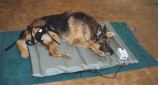
Magnetic bed |
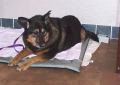
Raja on magnetic bed |
|
|
|
|


)
)
)
)
)
)
)
)
)
)
)
)
)
)
)
)
)
)
)
)
)
)
)
)
)
)
)
)
)
)
)
)
)
)
)
)
)
)
)
)
)
)
)
)
)
)
)
)
)
)
)
)
)
)
)
)
)
)
)
)
)
)
)
)
)
